What Is a Personal AI Assistant? A Plain-English Guide
The word personal is doing a lot of work in that phrase. Here is what it should mean, and how to tell a real one from a chatbot with a new name.

Secy
Personal AI Secretary
Our posts are written by the Secy team, with AI assistance and a human review before publishing.
The Short Answer
A personal AI assistant is AI software built around a single person: your context, your goals, and the information you choose to save.
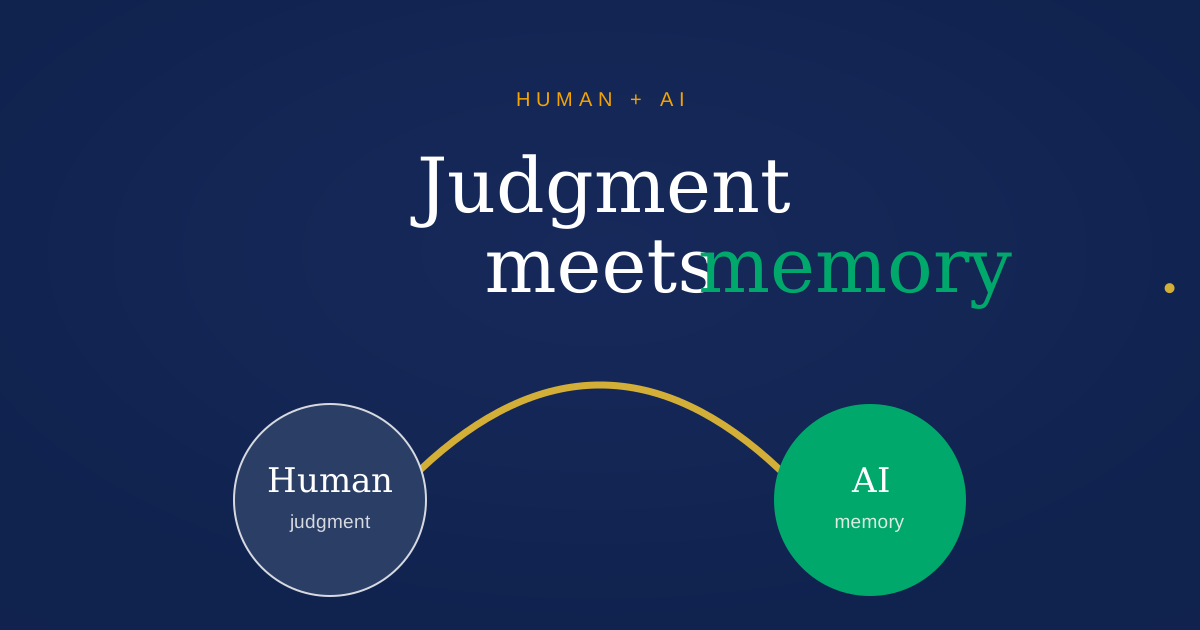
The word personal is the whole point. A general assistant serves everyone the same way. A personal one is supposed to know you, and get more useful the longer you use it.
That is the promise. Whether a product keeps it is a separate question, and an easy one to test.
What Makes an Assistant “Personal”
Four things, in rough order of importance:
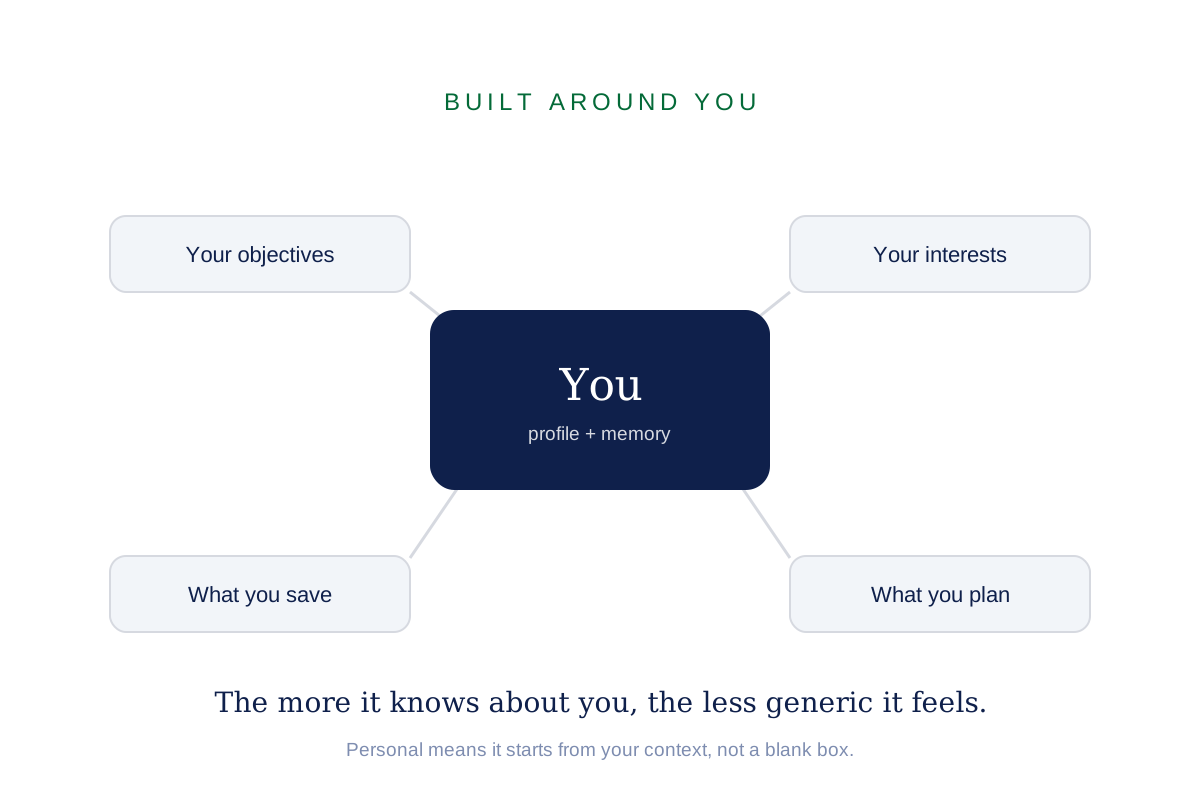
- It starts from your profile. Not a blank box. It knows your objectives, your interests, and your trackers, because you told it once.
- It keeps a memory. What you save stays saved, tagged, and findable, rather than vanishing into a chat scroll.
- It adapts to you. Your daily view reflects your goals, not a generic feed.
- It respects your boundaries. Personal data is encrypted and stays in your control, which is non-negotiable once software knows this much about you.
Miss the second one and you have a chatbot. Miss the fourth and you have a problem.
What You Actually Use One For
A personal AI assistant is most useful for the invisible work that fills a day:
- Capturing a link, a note, or a voice memo before it is lost.
- Keeping those captures organized so they can be found later.
- Getting a short start-of-day view instead of opening five apps.
- Turning intentions into reminders that reach you.
- Keeping a private record of what you meant to do, and why.
None of it is dramatic. All of it is the difference between a clear week and a scattered one.
Personal Assistant vs Personal AI Secretary
The terms overlap, and in practice they describe the same product with a different emphasis.
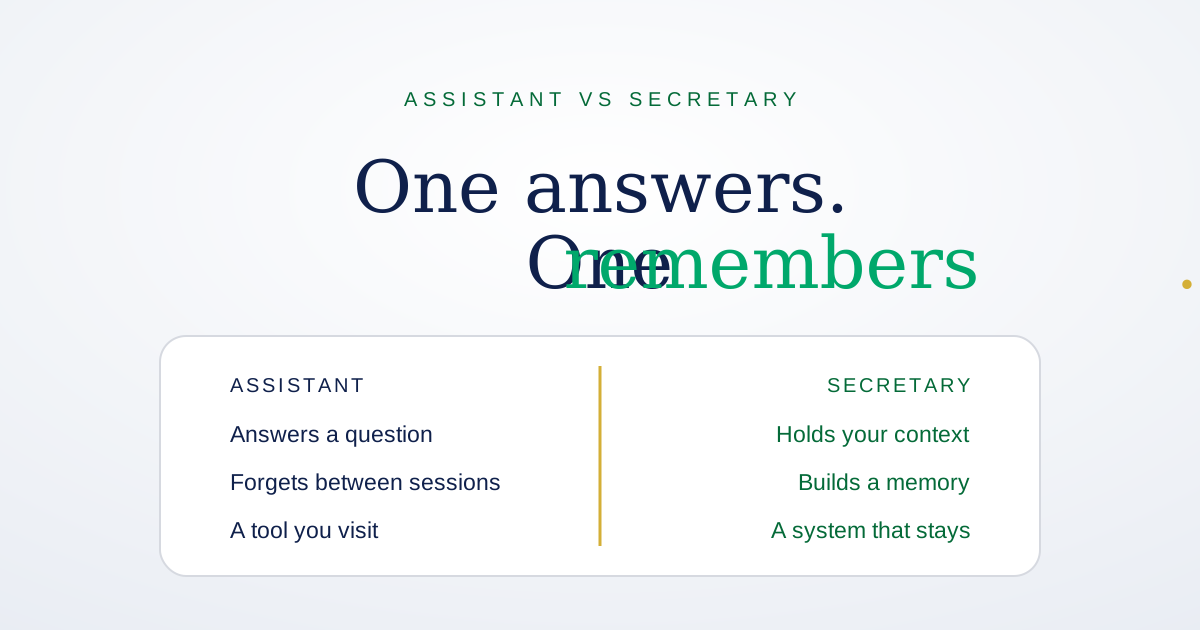
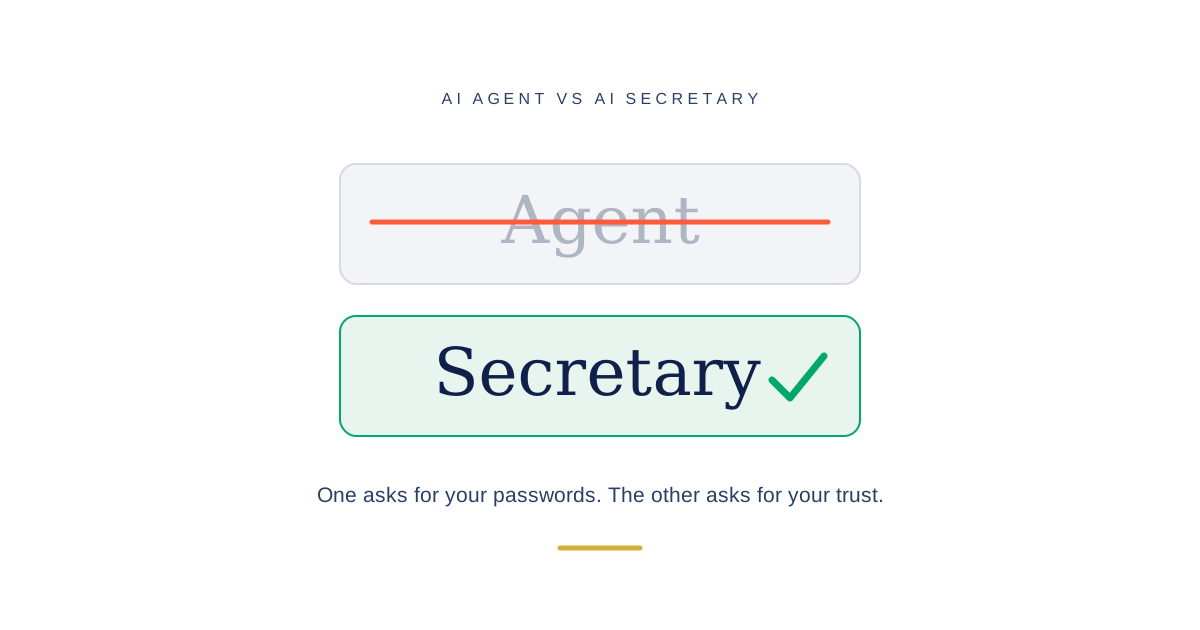
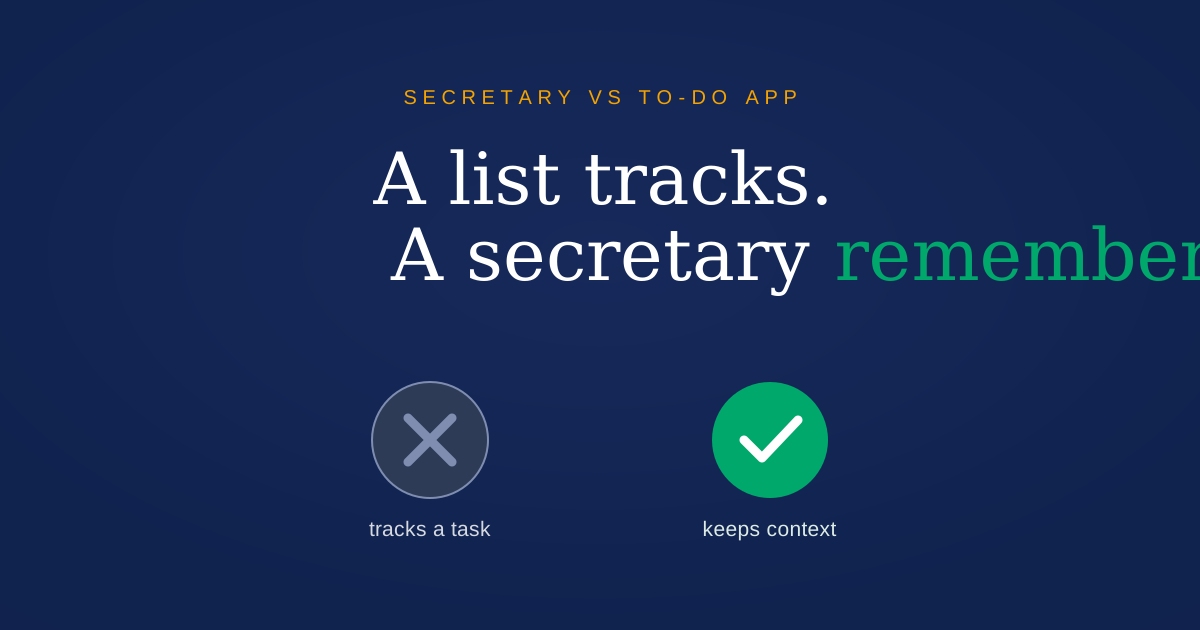
Assistant points at the interaction: you ask, it helps. Secretary points at the role: it holds your world in order and keeps your commitments straight. Many products use both words, which is why the categories blur.
If you want the sharper definition, read What Is an AI Secretary?. If you are comparing it to general assistants, see AI Secretary vs AI Assistant
How to Tell a Real One From a Rebrand
Ask three questions before trusting the label:
- What does it remember about me, and where does that live? Persistent memory is the line between an assistant and a chatbot.
- What can it honestly do today, and what is a roadmap? Good products are clear about the boundary. Be wary of the ones that are not.
- What happens to my data? Encryption, control, and a plain-language privacy notice are the price of entry.
A product that answers all three is worth your attention. One that dodges them is a demo.
Where This Is Heading
The personal assistant is not a new idea. Executives have had one for a century; it was just a person. Software is now making that role available to everyone, in a quieter and more private form.
The direction is clear even if the timeline is not: more context, more memory, more useful, as long as trust keeps up. See The Future of the Secretary for where the role goes next.
Final Thought
A personal AI assistant should feel less like a tool you open and more like a layer that holds your world in order. Personal is the promise. Memory is the proof.
Secy is a privacy-first personal AI assistant: briefs, memory, news, and motions in one calm app. 👉 https://secy.io
More in AI Secretary
Start with a calmer morning.

From 500+ Beta Testers Reviews